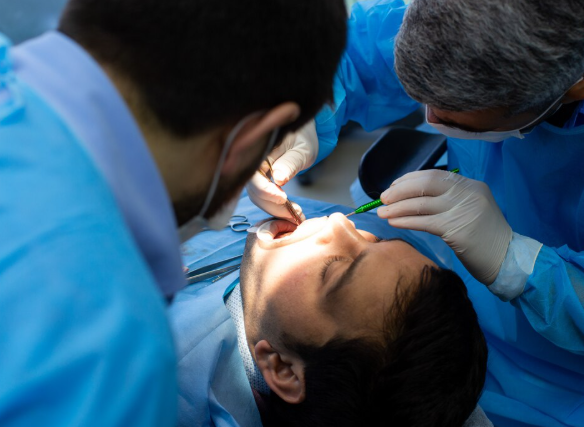
A tooth infection can begin with mild sensitivity or discomfort and develop into a painful condition that requires prompt dental attention. Bacteria can enter the inner portion of a tooth through untreated cavities, cracks, damaged fillings, or injuries. Once the infection reaches the dental pulp, which contains nerves and blood vessels, it can cause inflammation, persistent pain, and sometimes an abscess.
Searching for tooth infection treatment near Kent often means finding care for symptoms that should not be ignored. Swelling around a tooth, pain when biting, sensitivity that lingers, or a bad taste in the mouth may indicate an underlying infection. Early treatment can help preserve the affected tooth and reduce the risk of complications.
Understanding the warning signs, available treatments, and situations that require emergency attention can help patients make timely decisions about their dental health.
What Causes a Tooth Infection?
A tooth infection usually develops when bacteria enter the inner pulp through damaged tooth structure. The pulp contains soft tissue, nerves, and blood vessels that help support the tooth during its development. Once bacteria reach this area, the body's immune response can cause inflammation and pressure inside the tooth.
Untreated dental decay is one of the most common causes. As a cavity progresses through the enamel and dentin, bacteria can eventually reach the pulp. A cracked tooth, repeated dental procedures, or an injury can also create an entry point for bacteria.
Common causes of tooth infections include:
- Deep cavities that reach the dental pulp.
- Cracked, fractured, or severely damaged teeth.
- Untreated dental injuries.
- Failed or leaking dental restorations.
- Advanced tooth decay beneath an existing crown or filling.
- Bacterial infection spreading from surrounding gum tissues.
An infection may remain inside the tooth initially, but it can spread into the surrounding tissues if left untreated. This may lead to an abscess, which is a collection of pus caused by a bacterial infection. Prompt dental evaluation helps identify the source and determine the appropriate treatment.
Signs of a Tooth Infection You Should Not Ignore
Tooth infections do not always produce severe pain at the beginning. Some patients experience mild discomfort that gradually becomes more persistent, while others notice swelling or sensitivity before significant pain develops. Symptoms can vary depending on the location of the infection and how far it has progressed.
Watch for the following warning signs:
- Persistent toothache: Pain that continues for hours or returns repeatedly may indicate inflammation or infection inside the tooth.
- Swollen gums: Redness, tenderness, or swelling around a specific tooth can signal an infection.
- Sensitivity to hot and cold: Discomfort that lingers after consuming hot or cold foods may indicate pulp damage.
- Pain while chewing: Pressure on an infected tooth can trigger sharp or throbbing discomfort.
- Bad taste or unpleasant breath: Pus draining from an abscess may create an unusual taste or odor.
- Facial or jaw swelling: Swelling around the cheek or jaw may indicate that the infection is spreading.
- Fever or general illness: A fever alongside dental pain can suggest a more serious infection requiring urgent assessment.
A tooth infection may sometimes cause little or no pain if the pulp tissue has died. The absence of discomfort does not confirm that the infection has resolved. Any persistent swelling, drainage, or unusual change around a tooth should be evaluated by a dentist.
When Should You Seek Urgent Dental Care?
Dental infections can worsen without treatment, particularly when bacteria spread beyond the affected tooth. Patients should arrange a prompt dental examination if they experience persistent tooth pain, gum swelling, pus, or sensitivity that interferes with eating and sleeping.
Certain symptoms require emergency medical attention rather than waiting for a routine dental appointment. An infection that spreads into the face, neck, or deeper tissues can become dangerous.
Seek emergency medical care
Go to an emergency department immediately if you experience:
- Difficulty breathing or swallowing.
- Significant swelling around the neck or floor of the mouth.
- Rapidly spreading facial swelling.
- Difficulty opening your mouth accompanied by swelling or fever.
- Signs of severe systemic illness, such as confusion or extreme weakness.
For less severe but persistent symptoms, contact a dentist promptly. Do not wait for the pain to become unbearable before arranging an examination. Early intervention may allow the dentist to treat the infection while preserving the natural tooth.
How Is a Tooth Infection Diagnosed?
A dentist will begin by reviewing the patient's symptoms, medical history, and previous dental treatments. The affected tooth and surrounding gums are examined for swelling, tenderness, visible decay, cracks, or drainage. The dentist may also gently tap the tooth or apply pressure to check how it responds.
Dental X-rays help identify changes around the tooth root and surrounding bone that may not be visible during a regular examination. In some cases, a pulp vitality test is used to assess whether the nerve inside the tooth is healthy or damaged. These findings help determine whether the infection can be treated with a root canal or whether another procedure is necessary.
Patients visiting Implant Oral Surgery & Aesthetic can discuss their symptoms and available treatment options with the dental team. The recommended approach depends on the location and severity of the infection, the condition of the tooth, and the patient's overall oral health.
Treatment Options for an Infected Tooth
The treatment for a tooth infection depends on how far the bacteria have spread and whether the natural tooth can be preserved. The main objective is to remove the source of infection, relieve discomfort, and prevent further damage to surrounding tissues.
1. Root Canal Treatment
A root canal is commonly recommended when bacteria have infected the pulp but the natural tooth can still be restored. During the procedure, the dentist creates an opening in the tooth, removes the infected or damaged pulp, and cleans and disinfects the internal canals.
The cleaned canals are then filled with a biocompatible material and sealed to reduce the risk of reinfection. A dental crown may be recommended afterward to protect the treated tooth, particularly when significant tooth structure has been lost. Root canal treatment can preserve the natural tooth while addressing the infection inside it.
2. Tooth Extraction
Extraction may be necessary when a tooth is too damaged to restore or the infection cannot be managed through other treatment. The dentist evaluates the remaining tooth structure, root condition, surrounding bone, and extent of infection before recommending removal.
After extraction, the dentist may discuss replacement options depending on the patient's needs. These can include dental implants, bridges, or removable dentures. The timing of replacement depends on infection control and the condition of the extraction site.
3. Abscess Drainage
A dental abscess is a pocket of pus that forms due to bacterial infection. If the infection has caused significant swelling, the dentist may need to drain the accumulated pus to reduce pressure and help control the infection.
Drainage alone does not eliminate the original source of infection. The affected tooth may still require root canal treatment or extraction. Antibiotics may also be prescribed in certain cases, particularly when there are signs of spreading infection or systemic involvement.
4. Antibiotics for Dental Infections
Antibiotics are not required for every tooth infection. They may be appropriate when the infection is spreading, accompanied by fever or systemic symptoms, or when a patient's medical condition increases the risk of complications.
Medication alone usually cannot eliminate an infection inside the tooth because the infected pulp has limited or no blood supply. Definitive dental treatment, such as root canal therapy, drainage, or extraction, is generally needed to address the source. Patients should never take leftover antibiotics or medication prescribed to someone else.
Can Gum Disease Make a Tooth Infection Worse?
Tooth infections and gum disease affect different parts of the mouth, but they can sometimes occur together. A tooth infection usually originates inside the tooth, while periodontal disease affects the gums and supporting structures around the teeth. Advanced gum disease can create deep periodontal pockets where bacteria accumulate and may contribute to infections around tooth roots.
Patients with inflamed or infected gums may need periodontal treatment before undergoing certain restorative or implant procedures. Cleaning infected areas and controlling bacterial buildup helps establish healthier conditions for further dental care.
Depending on the clinical findings, the dentist may recommend gum disease treatment before implants as part of the overall treatment plan. Maintaining healthy gums also helps reduce the risk of complications after restorative procedures.
What Can You Do Before Your Dental Appointment?
Home care may help manage discomfort temporarily, but it cannot cure an infected tooth. Patients should arrange a dental examination as soon as possible rather than relying on pain relief or home remedies to resolve the problem.
While waiting for professional care, consider these precautions:
- Rinse gently with warm salt water to help keep the mouth clean.
- Apply a cold compress to the outside of the cheek if swelling is present.
- Choose soft foods and avoid chewing on the affected side.
- Maintain gentle brushing and flossing around the affected area.
- Use over-the-counter pain medication only as directed and if medically appropriate.
- Avoid placing aspirin, alcohol, or concentrated substances directly on the tooth or gums.
Do not attempt to drain an abscess or apply heat to swollen areas. These actions can irritate the tissues or delay appropriate treatment. If swelling increases or you develop a fever, seek urgent dental assessment. Difficulty breathing or swallowing requires immediate emergency medical care.
Preventing Future Tooth Infections
Good oral hygiene and regular dental examinations can reduce the risk of cavities and infections. Many infections develop from untreated decay, damaged restorations, or dental problems that progress without noticeable symptoms. Routine visits allow a dentist to identify these concerns before they reach the inner pulp.
Preventive care should include:
- Brushing twice daily with fluoride toothpaste.
- Cleaning between teeth every day with floss or interdental brushes.
- Limiting frequent consumption of sugary foods and drinks.
- Attending regular dental examinations and professional cleanings.
- Addressing cavities, cracks, and damaged fillings promptly.
- Wearing a mouthguard when recommended for sports or teeth grinding.
Professional fluoride treatment for teeth may also help strengthen enamel and reduce the risk of tooth decay, particularly for patients with an increased cavity risk.
Patients who require restorative treatment after an infection should follow their dentist's recommendations for protecting the affected tooth. For instance, a temporary crown may be used to protect a tooth during the restorative process. You can learn more about what to expect from a temporary dental implant crown and the considerations involved in crowns for front teeth.
Conclusion
A tooth infection should never be ignored, even when the initial discomfort seems manageable. Persistent pain, gum swelling, sensitivity, and signs of an abscess can indicate a problem that requires professional treatment. Early diagnosis helps the dentist identify the source of infection and determine whether root canal treatment, drainage, or extraction is appropriate.
Patients experiencing symptoms of an infected tooth can contact us to arrange a dental consultation at Implant West. Prompt attention can help protect surrounding teeth and tissues while reducing the risk of more serious complications.
Frequently Asked Questions
1. How do I know if I have a tooth infection?
Common signs include persistent toothache, swollen gums, sensitivity to temperature, pain while chewing, pus around the affected tooth, and an unpleasant taste in the mouth. Fever or facial swelling may indicate that the infection is spreading. A dental examination and appropriate imaging are needed to confirm the diagnosis.
2. Can a tooth infection go away without treatment?
A bacterial tooth infection generally does not resolve without appropriate dental treatment. Pain may temporarily decrease if the nerve inside the tooth dies, but the infection can remain and spread into surrounding tissues. Professional evaluation is necessary even if the discomfort disappears.
3. Is a tooth infection a dental emergency?
A tooth infection requires prompt dental attention, especially when accompanied by persistent pain, swelling, or pus. Facial swelling, fever, and worsening symptoms need urgent assessment. Difficulty breathing or swallowing, or swelling involving the neck or floor of the mouth, requires immediate emergency medical care.
4. Can antibiotics cure an infected tooth?
Antibiotics may help control a spreading bacterial infection, but they usually cannot eliminate the source of infection inside a tooth. Root canal treatment, drainage, or extraction may still be necessary. A dentist determines whether antibiotics are appropriate based on the patient's symptoms and clinical condition.
5. Can a dentist save a tooth with a severe infection?
In many cases, root canal treatment can preserve a tooth even when its pulp is infected. However, the tooth must have enough healthy structure to support a restoration. If the damage is too extensive or the tooth cannot be restored predictably, extraction may be recommended.