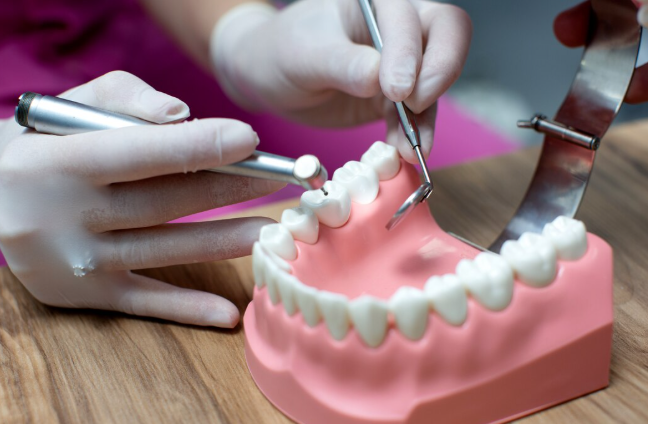
A crown for an anterior tooth has to do more than restore a damaged tooth. Because front teeth are highly visible, the restoration needs to look natural while also supporting normal biting and speaking. Dentists consider several details when planning a front tooth crown, including colour, shape, translucency, material, bite, and gumline appearance. The condition of the natural tooth also determines whether a crown is appropriate or whether a more conservative restoration may be suitable. Careful planning helps create a restoration that fits comfortably with the surrounding teeth and overall smile.
What Is an Anterior Tooth Crown?
Anterior teeth are the teeth positioned toward the front of the mouth, including the incisors and canines. A dental crown is a custom restoration that covers the visible portion of a prepared tooth to restore its structure, shape, and function. Patients may also hear crowns described as dentist caps for teeth because the restoration fits over the remaining tooth structure.
A front tooth may need a crown because of extensive decay, a fracture, a large restoration, significant wear, or previous dental treatment. However, not every damaged anterior tooth needs a crown. The dentist first evaluates the remaining tooth structure and surrounding oral tissues before recommending treatment.
Why Front Teeth Require Special Consideration
Front teeth are exposed whenever a person smiles, speaks, or opens their mouth. As a result, even subtle differences in colour, size, contour, or position can be noticeable. A front tooth crown therefore needs to blend with the surrounding teeth rather than simply cover the damaged area.
Function remains just as important as appearance. Anterior teeth help with biting and contribute to the way the upper and lower teeth meet. The dentist needs to account for these forces when designing the restoration so that the crown is comfortable and functions properly.
Appearance Matters More for Visible Teeth
Natural teeth have variations in colour, translucency, texture, and surface reflection. A crown that is too opaque, too bright, or noticeably different in shape can stand out from neighbouring teeth. Dental professionals consider these characteristics when planning cosmetic dental crowns for visible teeth.
The goal is not necessarily to make the crown look perfectly identical to every surrounding tooth. Instead, the restoration should have proportions and optical characteristics that suit the patient's existing smile. The final appearance depends on the tooth, surrounding teeth, selected material, and laboratory fabrication process.
Function Still Matters
A front tooth is involved in biting, guiding jaw movement, and supporting normal speech. The crown therefore needs to withstand everyday forces without interfering with the opposing teeth. Your dentist will assess how the upper and lower teeth meet before finalising the restoration.
Grinding and clenching can also place additional pressure on a crown. If these habits are present, they may need to be considered as part of treatment planning and aftercare.
Shade Matching Is More Than Choosing a Tooth Colour
Selecting the right shade involves more than finding a colour that appears similar at first glance. Dentists may consider brightness, hue, translucency, and the appearance of neighbouring teeth. Natural enamel can allow light to pass through and reflect in ways that differ from some restorative materials.
Existing dental restorations can also influence the overall appearance of the smile. The dentist may assess the teeth around the crown and consider the desired final appearance before the restoration is fabricated.
Factors That Can Affect Crown Shade
Several factors may influence the shade selected for an anterior crown:
- Natural tooth colour
- Colour of neighbouring teeth
- Existing restorations
- Tooth whitening
- Lighting conditions
- Age-related changes in tooth colour
- The selected crown material
Shade selection should be discussed before the permanent restoration is made. This is particularly relevant for patients who are considering cosmetic treatment or whitening.
What If You Are Considering Teeth Whitening?
Whitening affects natural teeth, but a completed dental crown does not lighten in the same way. For this reason, patients considering whitening or dental fluorosis treatment should discuss the timing with their dentist before an anterior crown is fabricated.
A dentist may recommend completing appropriate whitening treatment before determining the final crown shade. This can help reduce the possibility of a visible colour difference between the crown and the natural teeth.
Patients considering professional whitening can also discuss their options with a teeth whitening dentist before crown treatment.
Choosing the Right Material for a Front Tooth Crown
The material used for a crown affects its appearance, strength, translucency, and other characteristics. No single material is ideal for every anterior tooth. The dentist considers the location of the tooth, amount of remaining structure, bite, aesthetic requirements, and other clinical factors.
All-Ceramic and Porcelain Crowns
Ceramic and porcelain materials can provide a natural appearance and may be selected for visible teeth. Their optical properties can allow the restoration to resemble natural enamel more closely than some other materials.
The suitability of a particular ceramic restoration depends on the tooth and the patient's individual needs. Your dentist can explain the available options and their respective advantages and limitations.
Zirconia Crowns
Zirconia is a strong ceramic material used for various dental restorations. Different types of zirconia have different optical and mechanical characteristics, so the appropriate formulation depends on the clinical situation.
Zirconia may be considered when a combination of strength and appearance is required. The dentist will determine whether it is appropriate for the specific anterior tooth being treated.
Porcelain-Fused-to-Metal Crowns
Porcelain-fused-to-metal crowns contain a metal structure covered by a tooth-coloured porcelain layer. They have been used extensively in restorative dentistry and can provide strength with a natural-looking outer surface.
However, the appearance of the crown near the gumline may be an important consideration for visible front teeth. The dentist can explain how the selected restoration is expected to interact with the surrounding gum tissue.
Getting the Shape and Size Right
A front tooth crown needs to match more than the colour of the surrounding teeth. Its length, width, contours, edges, and overall proportions can affect the appearance of the smile. The dentist and dental laboratory may consider neighbouring teeth when designing the restoration.
Symmetry can be considered, but natural smiles are not always perfectly symmetrical. Small differences between teeth can contribute to a natural appearance. The restoration should therefore be designed according to the individual patient's existing dental structure rather than based on a single standard shape.
Tooth Proportions and Facial Appearance
The size of an anterior crown can affect how the tooth relates to nearby teeth and the overall smile. A crown that is excessively long or wide may appear out of proportion, while insufficient dimensions may affect function or appearance.
The dentist evaluates the tooth within the context of the surrounding dentition. This allows the restoration to be designed with appropriate proportions rather than treating the crown as an isolated object.
Matching the Natural Tooth's Surface
Natural teeth have subtle surface features that affect how light reflects from them. The contours and texture of a crown can therefore influence how closely it resembles the surrounding teeth.
The final restoration should have contours that support both appearance and oral hygiene. Excessively bulky or poorly shaped restorations can make cleaning more difficult and may affect the surrounding gums.
How the Gumline Affects an Anterior Crown
The gumline is particularly visible around front teeth, making gum health an important part of anterior restoration planning. Inflamed, swollen, or receding gums can affect the appearance of the finished restoration.
Before placing a permanent crown, the dentist may need to address existing gum problems. Healthy gum tissue can provide a better environment for maintaining the crown and surrounding tooth structure.
Healthy Gums Support Better Aesthetic Results
Gum inflammation can cause redness, swelling, or changes in the tissue around a crown. These changes may affect how the restoration looks and how easily the area can be cleaned.
Maintaining good oral hygiene and attending regular dental examinations can help protect the gums around an anterior crown. Your dentist can also provide specific instructions based on your oral health.
Crown Margins and Gumline Appearance
The crown margin is the area where the restoration meets the natural tooth. Its position and contour need to be carefully planned, particularly around visible front teeth.
A well-fitting restoration should allow the area to be cleaned effectively while supporting healthy surrounding tissues. If the crown feels uncomfortable or the gum remains irritated after treatment, the dental office should be contacted for assessment.
How Does Your Bite Affect a Front Tooth Crown?
Your bite is an important part of anterior crown planning. The upper and lower front teeth interact during biting and certain jaw movements, so the crown must be designed around these relationships.
The dentist checks how the restoration contacts opposing teeth before final placement. Minor adjustments may be made to improve comfort and function. Patients should report persistent pressure, discomfort, or changes in their bite after receiving a crown.
What Happens When Getting a Crown for an Anterior Tooth?
Treatment generally begins with an examination of the affected tooth and surrounding structures. X-rays or other imaging may be used when clinically appropriate. The dentist then determines whether a crown is suitable and discusses material and design considerations.
Examination and Treatment Planning
The dentist evaluates:
- Remaining natural tooth structure
- Tooth decay or damage
- Gum health
- Bite and tooth contacts
- Existing restorations
- Appearance of neighbouring teeth
If additional treatment is required, such as addressing decay or infection, that may need to be completed before the permanent crown is prepared.
Preparing the Tooth
The tooth is carefully shaped to provide space for the selected crown. Damaged or weakened areas may be removed as part of the preparation. An impression or digital scan can then be used to create the restoration.
A temporary crown may be provided while the permanent restoration is being fabricated, depending on the treatment process.
Designing and Matching the Crown
The crown is designed according to the tooth's size, shape, colour, contours, and functional requirements. Communication between the dental practice and laboratory can be important when creating an anterior restoration.
Final Placement
Before permanent placement, the dentist checks the crown's fit, shade, shape, contacts, and bite. Adjustments can be made when necessary. Once the restoration is considered suitable, it is securely attached to the prepared tooth.
How Long Can a Front Tooth Crown Last?
There is no single lifespan that applies to every crown. Longevity depends on the crown material, condition of the supporting tooth, oral hygiene, gum health, bite forces, and daily habits.
Regular dental examinations allow the dentist to monitor the crown and the natural tooth underneath it. Grinding, clenching, biting hard objects, and poor oral hygiene can increase the risk of problems with a restoration.
Caring for a Front Tooth Crown
A crowned tooth still requires regular dental care. The natural tooth beneath the restoration remains susceptible to decay, while the surrounding gums can develop inflammation if plaque is not removed effectively.
Daily care should include:
- Brushing twice a day with fluoride toothpaste
- Cleaning between teeth every day
- Attending recommended dental examinations
- Avoiding the use of front teeth to open packages
- Following any personalised instructions from your dental team
Patients should contact their dentist if the crown becomes loose, chipped, cracked, painful, or uncomfortable. Gum irritation or a noticeable change in the bite should also be assessed.
Crown vs Other Front Tooth Restoration Options
A crown is not the only way to restore or improve the appearance of an anterior tooth. The appropriate treatment depends on how much tooth structure remains and the reason for treatment.
Dental Veneers
Veneers generally cover the front surface of a tooth and are commonly used for selected cosmetic concerns. They may not provide the same level of structural coverage as a crown and may not be suitable for a significantly weakened tooth.
Dental Bonding
Composite bonding can be used for selected minor chips, shape concerns, and cosmetic changes. It can preserve more natural tooth structure in suitable cases, although its properties and durability differ from those of a crown.
When a Crown May Be More Appropriate
A crown may be considered when a tooth has:
- Significant structural damage
- Extensive decay
- A large existing restoration
- A substantial fracture
- Limited remaining tooth structure
- A need for greater coverage and protection
A dental examination is necessary to determine which restoration is appropriate.
Questions to Ask Before Getting a Front Tooth Crown
Before treatment, patients can ask their dentist:
- Why is a crown recommended for this tooth?
- How much natural tooth structure remains?
- What materials are suitable?
- How will the crown shade be selected?
- Should whitening be completed first?
- How will the crown shape be designed?
- How will the bite be checked?
- How will the gumline be considered?
- How many appointments are expected?
- What care will the crown require?
Understanding these details can make the treatment process clearer and help you discuss your preferences with your dental team.
Conclusion: A Front Tooth Crown Requires Careful Planning
A crown for an anterior tooth must balance appearance, strength, comfort, and function. Shade matching, material selection, tooth proportions, bite, crown margins, and gum health all contribute to the final result. The condition of the natural tooth also determines whether a crown is appropriate or whether another restoration may be better suited.
If you have a damaged or weakened front tooth, a dental examination can help determine the available treatment options. Your dentist can assess the tooth and explain how different restorative materials and designs may meet your individual needs. For questions about treatment options or to arrange an appointment, you can contact us.
Frequently Asked Questions
1. What is a crown for anterior teeth?
A crown for anterior teeth is a custom restoration designed to cover and protect a damaged or weakened front tooth. It restores the tooth's structure, shape, appearance, and function.
2. Are front tooth crowns noticeable?
A well-planned anterior crown is designed to blend with the surrounding teeth. Shade, translucency, shape, surface texture, and proportions are considered during the design process.
3. What is the best material for a front tooth crown?
There is no single material that is best for every patient. Ceramic, porcelain, zirconia, and other materials have different properties. The dentist selects an appropriate option based on the tooth's location, condition, bite, and aesthetic requirements.
4. Can I whiten my teeth after getting a front tooth crown?
Whitening treatments affect natural teeth but do not lighten a completed crown in the same way. If you are considering whitening, discuss it with your dentist before the permanent crown shade is selected.
5. How long does a front tooth crown last?
The lifespan of a crown varies depending on oral hygiene, gum health, bite forces, material, the condition of the supporting tooth, and everyday habits. Regular dental examinations can help monitor the crown and surrounding tissues.



.svg)