Regular dental cleanings are one of the most important preventive services available for maintaining a healthy smile. While brushing and flossing at home are essential, they cannot remove all plaque and tartar that accumulate over time. Professional cleanings help prevent common dental issues before they become serious and costly.
Plaque buildup contains bacteria that can contribute to cavities, gum disease, and bad breath. If left untreated, plaque hardens into tartar, which cannot be removed with regular brushing alone. In addition to affecting oral health, gum disease has also been linked to various overall health concerns, making preventive care even more important.
Many patients wonder how often they should schedule cleanings and what they can expect to pay. Understanding the difference between routine dental cleanings and deep cleaning treatments can help you make informed decisions about your oral health. Whether you are due for a preventive visit or concerned about gum disease, professional teeth cleaning at Implant West is an essential part to keeping your smile healthy.
Why Professional Teeth Cleaning Is Essential for Long Term Oral Health
Professional teeth cleaning removes harmful buildup that daily brushing and flossing may miss. Even patients with excellent oral hygiene can develop plaque and tartar in hard to reach areas of the mouth.
Regular cleanings help identify dental concerns early, allowing treatment before more extensive procedures become necessary. This preventive approach saves time, money, and discomfort in the long run.
What Happens During a Professional Teeth Cleaning?
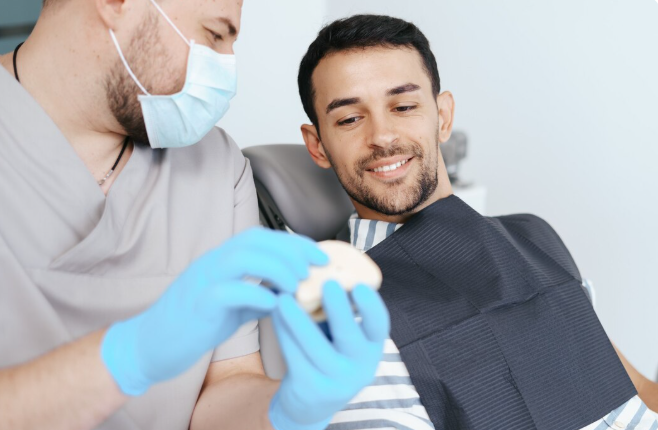
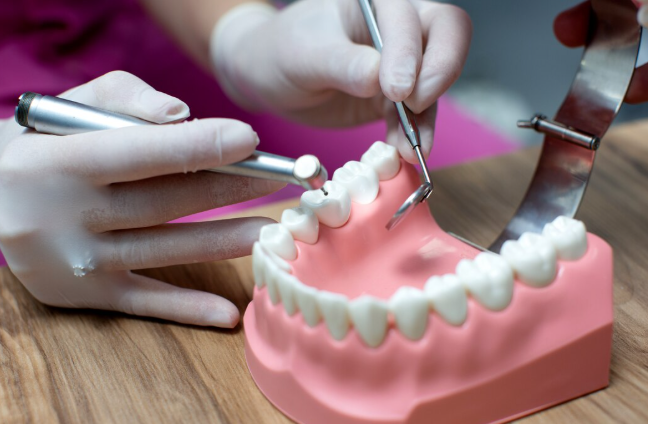
A professional teeth cleaning involves several important steps designed to improve oral health and prevent future problems. The process is typically comfortable and completed during a routine dental visit.
The cleaning may include:
- Plaque and tartar removal
- Polishing and stain removal
- Gum health assessment
- Oral health screening
Your dental team will also evaluate your overall oral condition and discuss any concerns they observe during the appointment.
Benefits of Routine Dental Cleanings
Routine dental cleanings provide benefits that go far beyond keeping your teeth looking clean. They play an essential role in maintaining healthy teeth and gums throughout life.
Some key benefits include:
- Preventing cavities
- Reducing gum disease risk
- Fresher breath
- Maintaining a healthier smile
When combined with proper home care, regular cleanings help support long term oral health and confidence.
How Often Should You Get Your Teeth Cleaned?
The ideal cleaning schedule can vary from person to person. Factors such as oral health history, lifestyle habits, and medical conditions may influence how frequently cleanings are recommended.
Your dentist will evaluate your individual needs and create a personalized preventive care plan based on your risk factors.
The Standard Recommendation for Most Patients
For most individuals, dental professionals recommend scheduling a professional cleaning every six months. This schedule helps remove buildup before it leads to significant dental problems.
Twice yearly visits also provide an opportunity for routine dental exams. Regular evaluations allow dentists to identify cavities, gum disease, and other oral health concerns early when treatment is often simpler and more affordable.
Factors That May Require More Frequent Cleanings
Some patients may benefit from cleanings more often than every six months. Increased dental visits can help control plaque buildup and reduce the risk of developing serious oral health conditions.
Factors that may require more frequent appointments include:
- Gum disease history
- Smoking or tobacco use
- Diabetes and certain health conditions
- Increased plaque buildup
- Orthodontic appliances or dental restorations
Patients with these risk factors are often advised to schedule cleanings every three to four months.
Routine Teeth Cleaning vs. Deep Cleaning Dental Treatment
Although the terms are sometimes used interchangeably, routine cleanings and deep cleanings serve different purposes. Understanding the distinction can help patients know which treatment they may need.
The appropriate treatment depends on the condition of the gums and the presence of periodontal disease.
What Is a Routine Dental Cleaning?
A routine dental cleaning is a preventive procedure designed for patients with generally healthy gums and teeth. It focuses on removing plaque, tartar, and surface stains before they contribute to oral health problems.
The cleaning primarily targets deposits above the gumline. Routine visits help maintain oral health and reduce the risk of future dental complications.
What Is a Deep Cleaning?
A deep cleaning is a more advanced treatment commonly recommended for patients with signs of gum disease. The procedure is also known as scaling and root planing.
This treatment involves:
- Scaling and root planing
- Treatment for gum disease
- Cleaning below the gumline
Deep cleaning helps remove bacteria and deposits that contribute to periodontal disease and gum inflammation.
Signs You May Need a Deep Cleaning
Certain symptoms may indicate that a routine cleaning is no longer sufficient. If gum disease develops, deeper treatment may be necessary to restore gum health.
Common warning signs include:
- Bleeding gums
- Gum recession
- Persistent bad breath
- Deep periodontal pockets
A comprehensive dental examination can determine whether deep cleaning is the most appropriate treatment option.
How Much Does Teeth Cleaning Cost in Kent WA?
The cost of professional teeth cleaning varies depending on several factors, including the type of cleaning required and whether additional diagnostic services are needed.
Understanding what influences pricing can help patients better prepare for their dental appointments.
Average Teeth Cleaning Cost in Kent
Routine cleaning costs can vary between practices based on location, technology, and the services included during the appointment. New patient visits may involve additional evaluations that affect overall pricing.
Factors influencing cost often include:
- New patient exams
- Dental X rays
- Insurance considerations
- Additional preventive services
Many dental offices provide treatment estimates before beginning care to help patients understand expected costs.
Deep Teeth Cleaning Cost
Deep cleaning procedures generally cost more than routine cleanings because they involve more extensive treatment. Additional time, specialized techniques, and follow up care may be required.
Several factors can influence pricing, including:
- Severity of gum disease
- Extent of treatment needed
- Number of quadrants treated
The overall cost varies depending on the complexity of the case and the patient's individual treatment plan.
Does Dental Insurance Cover Teeth Cleaning?
Many dental insurance plans cover preventive services such as routine cleanings and examinations. Preventive care coverage often encourages patients to maintain regular dental visits.
Coverage for deep cleaning and periodontal treatment may vary depending on the specific insurance policy. Patients should review their benefits carefully and discuss payment options with their dental office if additional treatment is recommended.
Many practices also offer financing plans and flexible payment solutions to make care more accessible.
What to Expect Before and After Your Teeth Cleaning Appointment
Knowing what to expect before and after a cleaning appointment can help patients feel more comfortable and prepared. Most visits are straightforward and require little preparation.
Following post treatment recommendations can also help maintain results and support long term oral health.
Preparing for Your Visit
Before your appointment, it is helpful to gather any relevant dental records and update your medical history if needed. Inform your dental team about medications, health conditions, or recent changes in your health.
Arriving a few minutes early can provide enough time to complete paperwork and discuss any concerns before the cleaning begins.
Post Cleaning Care Tips
Maintaining your results after a professional cleaning requires consistent oral hygiene habits. Good home care helps reduce plaque buildup and extends the benefits of your appointment.
Helpful post cleaning recommendations include:
- Daily brushing and flossing
- Managing mild sensitivity
- Maintaining results between appointments
Using dentist recommended oral care products can further support healthy teeth and gums.
When to Schedule Your Next Cleaning
Most patients should schedule their next cleaning before leaving the dental office. Maintaining a consistent appointment schedule helps prevent lapses in preventive care.
Your dentist may recommend a six month interval or suggest more frequent visits depending on your oral health status. Following this recommendation can help prevent future dental problems and keep your smile in excellent condition.
Conclusion
Regular teeth cleaning in Kent WA is one of the simplest and most effective ways to protect your oral health and avoid costly dental problems in the future. While many patients benefit from professional cleanings every six months, some may require more frequent visits depending on their oral health needs. Understanding the difference between routine cleanings and deep cleaning dental treatments can help you make informed decisions about your care. Professional cleanings not only remove plaque and tartar but also provide an opportunity to detect potential concerns before they become serious. By staying proactive with preventive dentistry, you can maintain healthier gums, stronger teeth, fresher breath, and a brighter smile for years to come.
Contact Us: If you are due for a professional teeth cleaning or would like to learn more about preventive dental care in Kent WA, contact our team today to schedule your appointment and take the next step toward a healthier smile.
FAQs
How often should I get my teeth cleaned?
Most dental professionals recommend a professional cleaning every six months. However, patients with gum disease or higher oral health risks may benefit from more frequent visits.
What is the average teeth cleaning cost in Kent WA?
The cost varies based on factors such as whether you are a new patient, need X rays, or require additional treatments. Dental insurance often covers preventive cleanings.
What is the difference between a regular cleaning and a deep cleaning?
A regular cleaning focuses on removing plaque and tartar above the gumline, while a deep cleaning removes bacteria and deposits below the gumline to treat gum disease.
How much does a deep teeth cleaning cost?
Deep cleaning costs depend on the severity of gum disease, the number of treatment areas involved, and insurance coverage.
Does professional teeth cleaning hurt?
Most routine cleanings are comfortable. Some patients may experience mild sensitivity, especially if significant tartar buildup is removed.
How do I know if I need a deep cleaning?
Signs may include bleeding gums, gum recession, chronic bad breath, loose teeth, or a diagnosis of periodontal disease from your dentist.
Can teeth cleaning remove stains?
Professional cleanings can remove many surface stains caused by food, beverages, and tobacco, helping your teeth look cleaner and brighter.



.svg)