Gum disease develops when bacteria and plaque affect the tissues supporting the teeth. In its early stage, it may cause symptoms such as red, swollen, or bleeding gums. As periodontal disease progresses, inflammation can affect deeper tissues and the structures that help hold teeth in place.
Treatment depends on the severity of the condition and the health of the gums, teeth, and supporting tissues. Traditional periodontal care may include professional cleaning and procedures designed to remove plaque and calculus from areas below the gumline. In selected situations, laser gum treatment may also be considered as part of periodontal care.
Laser dentistry uses focused light energy to treat or assist with specific dental procedures. It is not a replacement for proper diagnosis or routine periodontal care. A dental professional first needs to determine the cause and severity of gum disease before deciding whether laser treatment for gum disease may be appropriate.
What Is Gum Disease?
Gum disease is an infection and inflammation affecting the tissues around the teeth. It commonly begins with plaque, a sticky layer of bacteria that forms on teeth. When plaque is not adequately removed, it can harden into tartar, which cannot be removed effectively with regular brushing alone.
Early gum disease is commonly referred to as gingivitis. It can cause redness, swelling, tenderness, and bleeding during brushing or flossing. If the condition progresses, periodontal disease can affect deeper tissues and may contribute to gum recession, periodontal pockets, bone loss, and loose teeth.
Common signs of gum disease include:
- Red or swollen gums
- Bleeding during brushing or flossing
- Persistent bad breath
- Tender gums
- Gum recession
- Changes in the way teeth fit together
- Loose or shifting teeth
- Pus around the gums or teeth
These symptoms do not indicate that laser treatment is automatically necessary. A periodontal evaluation is needed to determine the condition and appropriate treatment.
How Does Laser Gum Treatment Work?
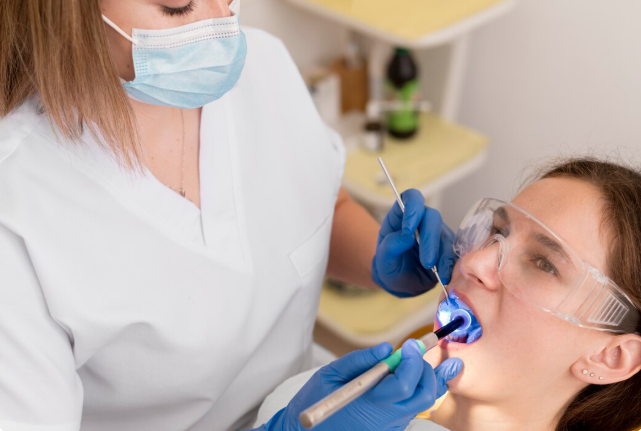
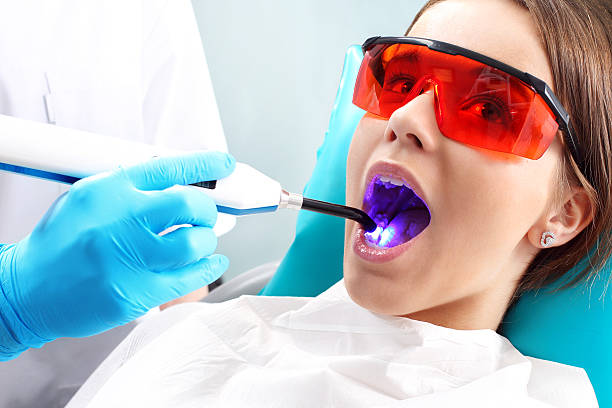
Laser gum treatment uses concentrated light energy to target specific areas of gum tissue during dental treatment. Depending on the procedure and the type of laser used, the technology may assist with removing diseased or infected tissue and accessing areas affected by periodontal disease.
The dentist evaluates the gums and supporting structures before treatment. This may include measuring periodontal pockets and examining areas where inflammation or infection is present. The purpose of using a dental laser is determined by the specific procedure being performed.
Laser treatment is therefore not one single procedure for every type of gum disease. The technology may be used differently depending on the patient's periodontal condition and the treatment plan.
When May Laser Treatment Be Recommended?
Laser treatment may be considered when a dentist determines that it could be useful for managing certain periodontal conditions. The decision depends on factors such as the extent of gum disease, periodontal pocketing, inflammation, and the patient's overall oral health.
Moderate or Advanced Periodontal Disease
More developed periodontal disease can affect tissues beneath the gumline. Bacteria and calculus may accumulate within periodontal pockets, creating an environment where inflammation can continue.
Depending on the clinical findings, laser dentistry may be incorporated into periodontal treatment to address affected tissue. The dentist will determine whether laser treatment is appropriate after evaluating the condition of the gums and supporting structures.
Persistent Gum Inflammation
Some patients may continue to experience gum inflammation despite regular oral hygiene and professional care. Persistent inflammation requires evaluation to determine why it is occurring.
Factors such as plaque accumulation, tartar, periodontal pockets, smoking, certain health conditions, and inadequate oral hygiene can contribute to gum problems. Laser treatment may be considered in selected cases, but controlling the underlying causes remains an important part of periodontal care.
Deep Periodontal Pockets
Periodontal pockets develop when the gum tissue pulls away from the tooth and creates spaces where bacteria can accumulate. Deeper pockets can be more difficult to clean with normal brushing and flossing.
A dentist may measure these pockets during a periodontal examination. If deeper pockets are present, treatment may involve procedures designed to clean affected areas and manage the infection. Laser technology may be used as part of treatment when clinically appropriate.
What Happens During Dental Laser Treatment?
The exact process depends on the type of laser procedure being performed. Before treatment begins, the dentist evaluates the affected area and determines which tissues require attention.
The laser is then used according to the treatment plan. Depending on the procedure, it may assist in addressing diseased gum tissue or treating areas affected by periodontal infection.
After treatment, the dentist provides instructions for oral hygiene and follow-up care. Regular monitoring is important because periodontal disease requires ongoing management rather than a single procedure.
Laser Treatment vs. Traditional Gum Disease Treatment
Laser dentistry and conventional periodontal procedures are not necessarily competing approaches. Laser technology may be used alongside other treatments depending on the patient's condition.
Traditional periodontal care can involve professional removal of plaque and tartar, scaling and root planing, improved oral hygiene, and other periodontal procedures. The appropriate treatment depends on the severity of the disease and how the gums respond to care.
Laser technology may be incorporated when the dentist believes it can provide a useful role within the treatment plan. A dental examination is therefore more important than choosing a procedure based only on the technology used.
What Are the Potential Benefits of Dental Laser Treatment?
The potential benefits of laser dentistry depend on the procedure, the laser technology used, and the patient's periodontal condition. A dentist can explain what the treatment is intended to accomplish before proceeding.
Depending on the circumstances, laser treatment may offer:
- Focused treatment of selected gum tissues
- Access to areas affected by periodontal disease
- Assistance with removing diseased tissue
- Reduced disruption to surrounding tissues in some procedures
- A technology-based option for selected periodontal treatments
These potential benefits do not mean laser treatment is suitable for every patient. The dentist must evaluate the condition of the gums and determine whether laser technology has a meaningful role in treatment.
Can Laser Treatment Cure Gum Disease?
Laser treatment should not be viewed as a standalone cure for every form of gum disease. Periodontal disease is a chronic condition that can require ongoing professional monitoring and daily oral hygiene.
Treatment is aimed at controlling infection and inflammation, protecting the supporting structures of the teeth, and preventing further progression. The approach depends on the severity of periodontal disease and the patient's response to treatment.
Even when laser technology is used, maintaining good oral hygiene remains essential. Regular brushing, cleaning between teeth, professional dental care, and follow-up examinations can all contribute to long-term periodontal health.
What Factors Determine the Right Gum Disease Treatment?
A dentist considers several factors before recommending periodontal treatment. The visible appearance of the gums alone does not provide enough information to determine the severity of gum disease.
The evaluation may consider:
- Periodontal pocket depth
- Gum bleeding and inflammation
- Gum recession
- Amount of plaque and tartar
- Tooth mobility
- Bone support
- Existing dental restorations
- Oral hygiene habits
- Previous periodontal treatment
- Overall dental health
These findings help the dentist determine whether conventional periodontal treatment, laser dentistry, or another approach is appropriate.
Patients who have damaged or weakened teeth may also require restorative treatment as part of their overall dental care. For information about restoring damaged teeth, see dental crowns Kent WA.
What Should You Expect After Laser Gum Treatment?
Post-treatment care varies according to the procedure performed. The dentist will provide instructions for cleaning the mouth, eating, and managing the treated area.
Follow-up appointments may be recommended to assess healing and monitor periodontal health. These visits also allow the dentist to determine whether additional periodontal treatment is necessary.
Patients should continue following their recommended oral hygiene routine after treatment. Laser treatment does not eliminate the need for brushing, interdental cleaning, professional cleanings, or regular dental examinations.
Can Laser Gum Treatment Help Prevent Further Gum Problems?
Managing gum disease requires attention to the factors that contribute to inflammation and bacterial buildup. Laser treatment may be one part of periodontal care when appropriate, but long-term maintenance remains essential.
Daily oral hygiene helps remove plaque before it can contribute to gum inflammation. Professional cleanings can address tartar that cannot be removed through brushing alone. Regular examinations also allow a dentist to monitor periodontal pockets, gum recession, and other changes.
Patients should report bleeding, swelling, persistent bad breath, tenderness, or changes in tooth stability rather than waiting for symptoms to become severe.
Choosing a Dental Practice for Gum Disease Treatment in Kent, WA
Patients considering periodontal treatment should look for a dental practice that can evaluate the condition of the gums and explain available treatment options. The goal is to identify the cause and severity of the problem before selecting a procedure.
A family dentist Kent WA can evaluate gum health during routine dental care and determine whether additional periodontal assessment is needed. If gum disease is identified, the dentist can discuss appropriate treatment based on the condition of the gums and supporting structures.
Laser dentistry may be considered when it has a suitable role in the patient's treatment plan. It should be selected based on clinical findings rather than simply because laser technology is available.
When Should You Ask About Laser Gum Treatment?
A dental consultation can help determine whether laser treatment is worth considering. Patients may want to discuss the option if they have been diagnosed with periodontal disease or have symptoms that suggest a gum problem.
Consider asking your dentist about laser dentistry if you have:
- Persistent gum inflammation
- Bleeding gums
- Deep periodontal pockets
- Gum recession
- Repeated periodontal problems
- Persistent bad breath associated with gum disease
- Loose or shifting teeth
These symptoms require an examination first. The presence of one or more does not automatically mean laser treatment is the appropriate choice.
Maintaining Healthy Gums After Treatment
Long-term periodontal health depends heavily on daily care. Even after professional treatment, plaque can accumulate around the teeth and gums if oral hygiene is inconsistent.
A basic maintenance routine includes brushing twice daily with fluoride toothpaste and cleaning between the teeth every day. Professional dental cleanings should be scheduled according to the recommendations of your dental team.
It is also useful to monitor changes in the gums. Bleeding, swelling, recession, persistent bad breath, or changes in tooth stability should be reported to a dental professional.
Discuss Laser Treatment for Gum Disease With a Dentist
Laser dentistry can be a useful technology in selected periodontal procedures, but it is not appropriate for every case of gum disease. The severity of the condition, periodontal pocket depth, inflammation, gum health, and supporting bone all influence the treatment decision.
A dental examination provides the information needed to determine whether laser treatment, conventional periodontal care, or another procedure is appropriate. Maintaining daily oral hygiene and attending regular dental appointments also remains important after treatment.
If you have concerns about gum disease or want to discuss available treatment options, you can contact us.
Frequently Asked Questions
Is laser treatment effective for gum disease?
Laser treatment can be used in selected periodontal procedures, but its role depends on the patient's condition and the specific treatment being performed. A dental professional must evaluate the gums and supporting structures before recommending laser treatment.
Is laser gum treatment painful?
The level of discomfort associated with laser gum treatment varies depending on the procedure and the extent of treatment. Your dentist can explain what to expect and discuss appropriate methods for keeping you comfortable during the procedure.
Can laser treatment replace regular periodontal cleaning?
Laser treatment does not eliminate the need for routine dental care. Professional cleanings, daily brushing, cleaning between teeth, and periodontal monitoring remain important for managing gum health.
Who may be a candidate for laser treatment for gum disease?
Patients with certain forms or stages of periodontal disease may be candidates for laser-assisted treatment. Factors such as periodontal pocket depth, inflammation, gum condition, and bone support are considered before treatment is recommended.
How can I prevent gum disease after treatment?
Maintaining consistent oral hygiene is essential. Brush twice daily with fluoride toothpaste, clean between your teeth every day, attend recommended professional cleanings, and have persistent gum symptoms evaluated by a dentist.


.svg)