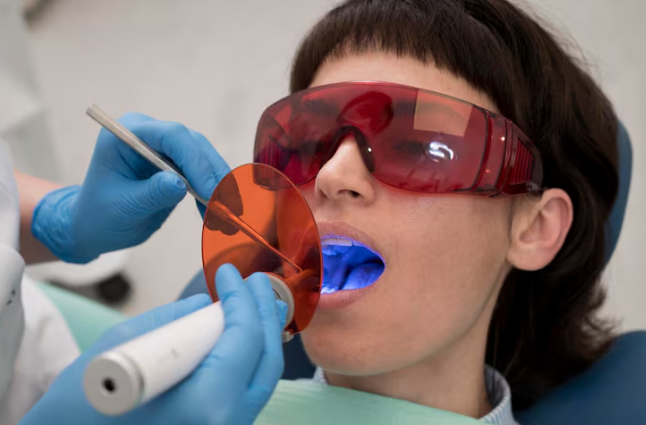
Fluoride is a mineral that helps strengthen tooth enamel and reduce the risk of cavities. Most people receive some fluoride through toothpaste and drinking water, but certain patients may benefit from additional fluoride applied professionally at a dental office. The need for this type of treatment depends on factors such as cavity history, enamel condition, exposed tooth roots, oral hygiene, and dry mouth.
Professional fluoride treatment is different from simply brushing with fluoride toothpaste. A dentist can apply a concentrated fluoride product directly to the teeth, often as a varnish or another professional formulation. The treatment is quick and can be incorporated into preventive dental care when a patient's oral health history indicates a higher risk of tooth decay.
For patients considering fluoride treatment in Kent, a dental examination can help determine whether additional fluoride is appropriate for their individual needs.
What Does Fluoride Do for Your Teeth?
Tooth enamel is exposed to acids every day. These acids can develop when oral bacteria interact with sugars and carbohydrates in food and drinks. Repeated acid exposure can weaken enamel and contribute to tooth decay.
Fluoride supports the process of remineralization, which helps strengthen areas of enamel that have been affected by acid. It can also make tooth surfaces more resistant to future acid attacks. Fluoride does not replace brushing, flossing, regular dental examinations, or other preventive measures, but it can be one part of a broader cavity prevention plan.
The amount of fluoride a person needs can vary. Children, adults, older adults, and people with certain oral health conditions may have different risk factors that influence whether professional fluoride treatment is recommended.
What Is Professional Fluoride Treatment?
Professional fluoride treatment involves applying a concentrated fluoride product to the teeth under the direction of a dental professional. Fluoride varnish is one common form used in dental offices. The product is applied directly to selected tooth surfaces or throughout the mouth depending on the patient's needs.
The treatment generally takes only a short time and does not require the same process as restorative dental procedures. Your dentist may recommend fluoride treatment during a routine examination or at intervals based on your risk of developing cavities.
Professional fluoride treatment may be considered as part of preventive care for patients with:
- A history of frequent cavities
- Areas of weakened enamel
- Exposed tooth roots
- Dry mouth
- Difficulty maintaining adequate fluoride exposure
- Increased risk of tooth decay
- Certain dental conditions that make cavity prevention more challenging
Not everyone requires additional professional fluoride. A dentist can assess your individual risk before recommending it.
Who May Benefit From Fluoride Treatment?
Fluoride treatment is often associated with children's dentistry, but adults can also benefit in appropriate circumstances. The decision depends on a person's risk of tooth decay rather than age alone.
People With a History of Cavities
A history of repeated cavities can indicate an increased risk of future decay. Even when existing cavities have been treated, the factors that contributed to them may still be present.
Additional fluoride can support enamel protection as part of a preventive care routine. Your dentist may consider factors such as previous decay, oral hygiene, diet, saliva production, and existing restorations before recommending professional fluoride.
Adults With Exposed Tooth Roots
Gum recession can expose areas of the tooth that were previously covered by gum tissue. These exposed root surfaces do not have the same enamel covering found on the crown of the tooth, which can make them more vulnerable to decay and sensitivity.
Adults with exposed roots may benefit from preventive strategies designed to protect these areas. Professional fluoride can be one consideration when a dentist identifies an elevated risk of root decay.
People With Dry Mouth
Saliva helps protect teeth by washing away food particles and helping neutralize acids in the mouth. Reduced saliva production can therefore increase the risk of tooth decay.
Dry mouth can have several causes, including certain medications and other conditions. Patients experiencing persistent dryness should discuss the issue with their dentist because preventive measures may need to be adjusted. Fluoride treatment may be recommended as part of a broader strategy for protecting teeth when saliva production is reduced.
How Fluoride Varnish Helps Protect Teeth
Fluoride varnish is a concentrated fluoride product applied directly to the tooth surfaces. It adheres to the teeth and provides localized fluoride exposure after application.
The purpose is to support enamel strength and reduce the risk of cavities in patients who may benefit from additional fluoride. Varnish is different from ordinary toothpaste because it provides a professionally applied concentration under controlled dental conditions.
After treatment, the dental professional may provide instructions about eating, drinking, brushing, or other activities for a certain period. Following those instructions helps ensure the treatment is used appropriately.
Fluoride Treatment for Adults: Is It Necessary?
Adults do not automatically need professional fluoride treatment. The decision is usually based on individual cavity risk and oral health rather than age.
An adult with good oral hygiene, adequate fluoride exposure, healthy saliva production, and a low history of decay may not require additional professional fluoride. Another adult with recurring cavities, exposed roots, dry mouth, or weakened enamel may have different preventive needs.
Your dentist may consider several factors when determining whether professional fluoride treatment is appropriate:
- Previous cavity history
- Current oral hygiene
- Enamel condition
- Gum recession
- Exposed roots
- Saliva production
- Diet and frequency of sugar exposure
- Existing dental restorations
- Other individual risk factors
A personalized recommendation can help avoid unnecessary treatment while providing additional protection when the risk of decay is higher.
Fluoride and Cavity Prevention
Cavity prevention involves several habits working together. Fluoride is one component, but it cannot compensate for inadequate daily oral hygiene or frequent exposure to sugary foods and drinks.
Brushing twice a day with fluoride toothpaste helps keep plaque under control and delivers fluoride to the teeth. Cleaning between teeth helps remove plaque from areas a toothbrush may not reach effectively. Regular dental examinations allow a dentist to identify early changes and evaluate whether preventive treatments are needed.
Professional fluoride treatment may provide an additional layer of enamel protection for patients at increased risk. It is particularly useful when a dentist identifies factors that make routine cavity prevention more difficult.
Signs You May Need More Preventive Dental Care
Some risk factors are not obvious until a dental examination identifies them. Others may be noticeable during everyday life.
Patients should discuss preventive care with their dentist if they notice:
- Frequent new cavities
- Increasing tooth sensitivity
- Gum recession or visible tooth roots
- Persistent dry mouth
- Changes in enamel appearance or texture
- Difficulty maintaining oral hygiene
- Repeated dental restorations caused by decay
These signs do not automatically mean that fluoride treatment is necessary. They indicate that your preventive dental routine may need to be reviewed.
How Fluoride Treatment Fits Into General Dentistry
Preventive dentistry involves more than treating problems after they develop. Regular examinations allow dental professionals to assess teeth and gums, identify risk factors, and recommend measures designed to protect oral health.
Fluoride treatment can be incorporated into a broader preventive plan when appropriate. It may be used alongside professional cleanings, fluoride toothpaste, dietary guidance, oral hygiene recommendations, and routine examinations.
Patients can also discuss other dental concerns during preventive visits. For example, people interested in teeth whitening services can ask how cosmetic treatments fit alongside their preventive dental care.
Fluoride Treatment and Enamel Protection
Enamel is the hard outer layer of the tooth, but it can gradually weaken under repeated acid exposure. Once enamel is significantly lost, the body cannot naturally rebuild the same structure in the way it can remineralize early areas of mineral loss.
Fluoride helps support enamel by encouraging remineralization and improving resistance to acid attacks. This makes fluoride particularly relevant to cavity prevention.
Protecting enamel also involves limiting frequent exposure to acidic and sugary foods and drinks. Brushing appropriately, cleaning between teeth, and attending routine dental appointments can further reduce factors that contribute to enamel damage and decay.
What Happens During a Fluoride Treatment Appointment?
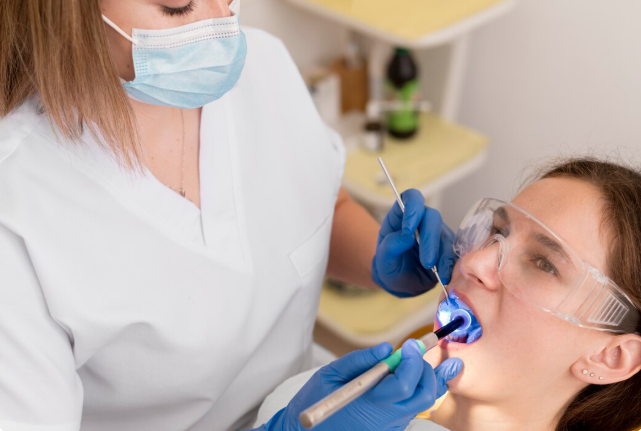
The process is generally straightforward. The dentist or dental professional first evaluates the teeth and determines whether professional fluoride is appropriate. The teeth may be cleaned as part of the appointment, depending on the timing and type of treatment being provided.
The fluoride product is then applied to the tooth surfaces according to the manufacturer's and dental professional's instructions. Fluoride varnish may be brushed onto selected areas or the teeth more broadly.
After application, patients may receive temporary instructions regarding food, drinks, brushing, or other activities. These instructions can vary according to the product used, so patients should follow the guidance provided by their dental professional.
Choosing Dental Preventive Care in Kent, Washington
Preventive dental care should reflect the condition of your teeth and gums rather than relying on the same treatment schedule for everyone. A dental professional can review your history, examine your mouth, and identify factors that may increase your risk of cavities.
For patients in the Kent area, discussing preventive options with a local dental practice can make it easier to establish an appropriate routine. Fluoride treatment may be considered alongside examinations, cleanings, restorative care, and other services when clinically appropriate.
Patients interested in dental cosmetic dentistry can also discuss how cosmetic goals and preventive dental care can be managed together.
How Can You Maintain Fluoride Protection at Home?
Professional treatment is only one part of maintaining healthy teeth. Daily habits provide regular exposure to fluoride and help control plaque and other factors associated with tooth decay.
A practical routine includes:
- Brush twice daily with fluoride toothpaste.
- Clean between your teeth every day.
- Limit frequent sugary snacks and drinks.
- Drink water regularly.
- Follow your dentist's recommendations for fluoride products.
- Attend routine dental examinations.
- Report persistent sensitivity or dry mouth to your dental team.
These habits can support enamel protection between professional appointments. Patients at higher risk of decay may receive additional recommendations based on their dental history.
Is Fluoride Treatment Right for You?
Fluoride treatment can be useful for patients who have an increased risk of cavities or particular challenges affecting enamel and tooth surfaces. Adults with recurring decay, exposed roots, dry mouth, or other risk factors may be candidates for professional fluoride treatment.
It is not necessary for every patient. The best way to determine whether additional fluoride is appropriate is to have your oral health and cavity risk evaluated by a dental professional.
For preventive dental care in Kent, Washington, patients can contact us to discuss their dental needs and available treatment options.
Conclusion
Fluoride treatment can provide additional enamel protection for people who face a higher risk of tooth decay. Recurring cavities, exposed tooth roots, dry mouth, and certain enamel concerns are among the factors that may lead a dentist to recommend professional fluoride.
The treatment works best as part of regular preventive care that includes fluoride toothpaste, daily plaque removal, healthy habits, and routine dental examinations. A dental professional can assess your individual risk and determine whether fluoride treatment belongs in your preventive care plan.
Frequently Asked Questions
What is fluoride treatment for teeth?
Fluoride treatment is a preventive dental procedure that applies a concentrated fluoride product directly to the teeth. It can help strengthen enamel and reduce the risk of cavities in patients who may benefit from additional fluoride exposure.
Can adults receive professional fluoride treatment?
Yes. Adults may receive professional fluoride treatment when their dental history or current oral health indicates an increased risk of decay. Factors such as recurring cavities, exposed tooth roots, dry mouth, and enamel concerns may influence the recommendation.
How does fluoride varnish help prevent cavities?
Fluoride varnish delivers a concentrated amount of fluoride directly to tooth surfaces. It supports enamel remineralization and can make teeth more resistant to acid-related mineral loss, helping reduce the risk of cavities.
Can dry mouth increase the need for fluoride treatment?
Dry mouth can increase cavity risk because reduced saliva means less natural protection against acids and food debris. A dentist may recommend additional fluoride and other preventive measures for patients with persistent dry mouth.
How often should I get fluoride treatment?
There is no single schedule that applies to everyone. The appropriate frequency depends on your cavity risk, oral health history, enamel condition, age, and other factors. Your dentist can recommend an interval based on your individual needs.


.svg)