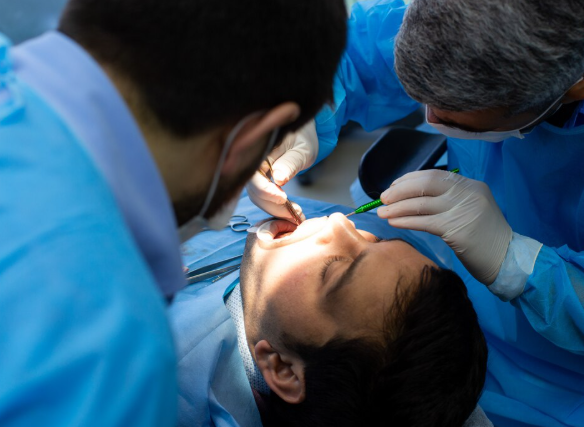
White spots, streaks, or brown patches on teeth can affect the appearance of a smile. One possible cause is dental fluorosis, a condition that develops when teeth are exposed to excessive fluoride while they are forming. The changes occur in the enamel and can range from faint white markings to more noticeable discoloration and surface irregularities. Although fluorosis generally does not cause pain, visible enamel changes may lead some people to consider cosmetic dental treatment.
The right dental fluorosis treatment depends on the severity of the discoloration, the condition of the enamel, and the patient's cosmetic goals. Mild cases may require little or no intervention, while more pronounced fluorosis stains may benefit from professional whitening, enamel microabrasion, dental bonding, or veneers. A dental examination helps distinguish fluorosis from other causes of tooth discoloration and identifies suitable treatment options.
Understanding how fluorosis develops and which cosmetic procedures are available can help patients make informed decisions about improving the appearance of their teeth.
What Is Dental Fluorosis?
Dental fluorosis is an enamel condition caused by excessive fluoride intake during tooth development. Fluoride supports enamel strength and helps protect teeth against cavities, but consuming too much while permanent teeth are forming can interfere with normal enamel mineralization. This may result in changes to the enamel's appearance and, in more pronounced cases, its surface texture.
The condition usually develops during childhood, when permanent teeth are still forming beneath the gums. Once the enamel has developed and the teeth have erupted, fluorosis does not continue to develop from normal fluoride exposure. It is not an infection and cannot spread from one tooth to another.
Dental fluorosis can appear in different forms:
- Mild fluorosis: Small white spots, faint lines, or cloudy areas on the enamel.
- Moderate fluorosis: More noticeable white markings covering larger portions of the tooth surface.
- Severe fluorosis: Brown or dark staining, visible pitting, and irregular enamel surfaces in some cases.
The appearance varies depending on the level and timing of fluoride exposure during tooth development. Mild fluorosis is often primarily a cosmetic concern, while severe cases may involve enamel defects that require additional restorative attention.
What Causes Fluorosis Stains on Teeth?
Fluorosis develops when a child consumes more fluoride than the recommended amount over a period during which permanent teeth are forming. Fluoride can enter the body through drinking water, swallowed toothpaste, certain supplements, and other sources. The combined exposure matters more than any single source.
Common sources of excessive fluoride exposure during childhood include:
- Drinking water with naturally high fluoride concentrations.
- Regularly swallowing fluoride toothpaste while brushing.
- Taking fluoride supplements without an appropriate assessment.
- Using multiple fluoride-containing products beyond recommended amounts.
The risk depends on the child's age, fluoride intake, and stage of tooth development. Parents should supervise young children's brushing and use the amount of toothpaste recommended for their age. Fluoride should not be avoided altogether, as appropriate exposure helps prevent tooth decay.
How Is Dental Fluorosis Different From Other Types of Tooth Discoloration?
Not every white spot or dark mark on a tooth is caused by fluorosis. Similar changes can result from early enamel demineralization, developmental enamel defects, trauma, or certain medications taken while teeth are forming. Identifying the cause is necessary before choosing a cosmetic procedure.
Fluorosis commonly affects multiple teeth that developed during a similar period. The markings may appear as symmetrical white lines, cloudy patches, or areas of discoloration. By comparison, a cavity-related white spot may appear near the gumline or around areas where plaque collects.
A dentist evaluates the pattern, location, texture, and color of the affected areas. The examination may also include questions about childhood dental history and fluoride exposure. Correct diagnosis helps prevent inappropriate cosmetic treatment and ensures that any underlying decay or enamel damage is addressed first.
Cosmetic Treatment Options for Dental Fluorosis
The appearance of fluorosis can often be improved through cosmetic dental procedures. The choice depends on how deeply the discoloration affects the enamel and whether the tooth surface has pits or structural irregularities. A dentist may recommend one treatment or combine several procedures to achieve a more uniform appearance.
1. Professional Teeth Whitening
Professional whitening may help reduce certain types of discoloration and improve overall tooth shade. The procedure uses dentist-supervised bleaching agents to lighten natural tooth structure. It may be suitable for some patients with mild fluorosis, particularly when the discoloration is relatively uniform.
However, whitening does not remove fluorosis marks from the enamel. In some cases, bleaching can make existing white spots more noticeable because the surrounding enamel becomes lighter. The dentist should assess the pattern of discoloration before recommending this option.
2. Enamel Microabrasion
Enamel microabrasion is a conservative cosmetic procedure used to reduce superficial enamel stains and irregularities. It involves applying a specialized abrasive compound to remove a very thin outer layer of enamel. The procedure may improve the appearance of shallow white or brown fluorosis markings.
Microabrasion is generally more appropriate for mild surface-level defects than deep or extensive enamel changes. The amount of enamel that can safely be removed is limited, so the dentist must assess the thickness and condition of the affected areas. Some cases may require additional cosmetic treatment if discoloration remains visible.
3. Dental Bonding
Dental bonding uses tooth-colored composite resin to cover discoloration and improve the shape of affected teeth. The dentist prepares the tooth surface, applies the resin, shapes it to match the natural tooth contours, and hardens it with a curing light.
Bonding may be useful for moderate fluorosis stains or localized enamel defects that do not respond adequately to whitening or microabrasion. It can often be completed without removing significant amounts of natural tooth structure. However, composite resin may stain, chip, or wear over time and may need maintenance or replacement.
4. Porcelain Veneers
Porcelain veneers are thin, custom-made restorations bonded to the front surfaces of teeth. They can cover persistent white spots, brown fluorosis stains, and uneven enamel that affects the appearance of the smile. Veneers are often considered when discoloration is more pronounced or when other conservative treatments cannot provide the desired cosmetic improvement.
The dentist evaluates tooth structure, bite alignment, and gum health before recommending veneers. A small amount of enamel may need to be removed to create room for the restoration. Since this preparation is generally irreversible, patients should understand the long-term maintenance requirements before proceeding.
Veneers can provide a consistent tooth shade and improve the appearance of the front teeth. Their suitability depends on the amount of healthy enamel available and the patient's overall dental condition. Patients interested in broader smile improvements can also explore family cosmetic dentistry and discuss which treatments are appropriate for their needs.
5. Dental Crowns for Severe Enamel Damage
Severe fluorosis can sometimes cause pitting, weakened enamel, and irregular tooth surfaces. When these changes affect the strength or structure of a tooth, a dental crown may be considered instead of a purely cosmetic procedure. A crown covers the visible portion of the tooth and helps restore its shape, appearance, and function.
The dentist first determines how much healthy tooth structure remains and whether a less invasive option can provide sufficient protection. Crowns generally require more tooth preparation than bonding or microabrasion. They are therefore more appropriate when structural restoration is needed rather than for minor discoloration alone.
How Does a Dentist Choose the Right Fluorosis Treatment?
Treatment selection begins with an examination of the affected teeth and an assessment of enamel condition. The dentist considers the extent of discoloration, the depth of any enamel defects, and whether the teeth have additional problems such as decay or sensitivity. Cosmetic preferences also matter, but preserving healthy tooth structure should remain a priority.
Several factors influence the recommended procedure:
- Severity of fluorosis: Mild surface markings may respond to microabrasion, while extensive discoloration may require bonding or veneers.
- Enamel thickness: The available healthy enamel determines how much treatment the teeth can safely tolerate.
- Location of stains: Markings on visible front teeth may require a different cosmetic approach from discoloration on back teeth.
- Tooth sensitivity: Existing sensitivity may influence the choice and timing of whitening or other procedures.
- Long-term maintenance: Patients should understand the care, repair, and replacement requirements of each restoration.
The dentist may recommend beginning with a conservative option and considering more involved procedures only when necessary. Not every patient with fluorosis needs cosmetic treatment, particularly when the markings are mild and the enamel remains healthy.
Can Laser Dentistry Help With Dental Fluorosis?
Laser dentistry is used for certain dental procedures involving soft tissue or tooth treatment, depending on the equipment and clinical indication. However, laser treatment is not a standard standalone method for removing fluorosis discoloration. It does not reverse the developmental changes that have occurred in the enamel.
Patients should distinguish between procedures that treat enamel discoloration and those that address other dental concerns. For example, laser cavity removal relates to cavity treatment and should not be confused with cosmetic fluorosis correction. A dentist can explain which technologies are suitable for the specific condition being treated.
Fluorosis stains generally require cosmetic approaches that improve the visible enamel surface or cover the affected areas. The choice may involve whitening, microabrasion, bonding, or veneers, depending on the examination findings.
Can Dental Fluorosis Be Prevented?
Dental fluorosis can be prevented by managing fluoride exposure during childhood, particularly while permanent teeth are developing. Fluoride remains beneficial for preventing cavities, so the goal is to use appropriate amounts rather than eliminate fluoride from dental care.
Parents and caregivers can help reduce excessive exposure through simple preventive measures:
- Supervise young children while they brush their teeth.
- Use a smear of toothpaste for children under three years old.
- Use a pea-sized amount for children aged three to six.
- Encourage children to spit out toothpaste instead of swallowing it.
- Store fluoride toothpaste and supplements out of children's reach.
- Check local drinking water fluoride levels when concerns arise.
- Consult a dentist before giving children fluoride supplements.
These precautions help maintain the cavity-prevention benefits of fluoride while reducing the risk of excessive intake. Parents should also schedule regular dental examinations so that enamel development and early signs of dental problems can be monitored.
Maintaining Your Smile After Fluorosis Treatment
Cosmetic procedures can improve the appearance of fluorosis-affected teeth, but ongoing dental care is necessary to protect the results. Natural enamel, bonded restorations, veneers, and crowns each have different maintenance requirements. Patients should follow the dentist's instructions for brushing, flossing, professional cleaning, and routine examinations.
A few habits can help maintain the appearance and condition of treated teeth:
- Brush twice daily with a soft-bristled toothbrush.
- Use fluoride toothpaste in the recommended amount.
- Clean between teeth every day.
- Limit frequent consumption of staining foods and beverages.
- Avoid biting hard objects that may chip bonding or veneers.
- Attend regular dental examinations and professional cleanings.
Patients considering additional cosmetic improvements can also review the benefits of cosmetic dentistry. Those interested in whitening should understand when to schedule professional teeth whitening, particularly if they already have veneers, crowns, or composite bonding. These restorations do not respond to bleaching agents in the same way as natural enamel.
At Implant Oral Surgery & Aesthetic, patients can discuss changes in tooth appearance and available general and cosmetic dentistry options. A dental examination helps determine whether the discoloration is caused by fluorosis and which treatment may be appropriate.
Conclusion
Dental fluorosis can cause visible changes in enamel, ranging from faint white markings to more pronounced brown stains and surface irregularities. The right treatment depends on the severity of these changes and the amount of healthy enamel available. Professional whitening and microabrasion may help with mild cases, while bonding, veneers, or crowns may be considered for more noticeable defects.
A dental examination is the first step toward identifying the cause of discoloration and selecting an appropriate cosmetic option. Patients interested in improving the appearance of fluorosis-affected teeth can contact us to schedule a consultation with Implant West.
Frequently Asked Questions
1. Can dental fluorosis stains be removed completely?
The appearance of fluorosis stains can often be improved with professional cosmetic treatments. Whitening, microabrasion, bonding, and porcelain veneers may reduce or cover visible discoloration. The results depend on the severity and depth of the enamel changes.
2. What is the best treatment for mild dental fluorosis?
Mild fluorosis may not require treatment if the markings are barely noticeable and the enamel is healthy. For patients who want cosmetic improvement, professional whitening or enamel microabrasion may be considered. A dentist can recommend the least invasive option based on the condition of the teeth.
3. Does dental fluorosis damage teeth?
Mild fluorosis generally affects the appearance of enamel without causing significant functional problems. Severe fluorosis can involve pitting, surface irregularities, and weakened enamel. An examination helps determine whether the condition is purely cosmetic or requires restorative care.
4. Can adults develop dental fluorosis?
Dental fluorosis develops during childhood while permanent teeth are forming beneath the gums. Adults do not develop new fluorosis from normal fluoride exposure after their teeth have finished developing. However, fluorosis-related discoloration may remain visible throughout adulthood.
5. Are porcelain veneers suitable for severe fluorosis?
Porcelain veneers may be suitable for patients with noticeable fluorosis stains that do not respond to conservative cosmetic procedures. They can cover discoloration and improve the appearance of affected teeth. The dentist must first assess enamel thickness, tooth structure, bite alignment, and overall oral health.